Stress-testing the shipping model
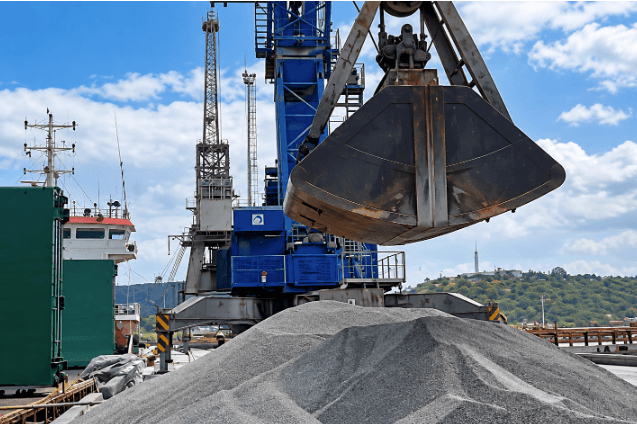
Konstantin Kalnyi, CEO and Founder of Kiev Shipping Ltd, highlights seven assumptions mineral export projects must verify.

Browse the latest special reports news and articles.
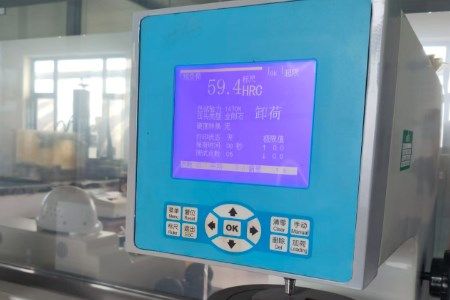
Juliet Zhu, Head of International Business, Shandong Gangyan Grinding Ball Co., Ltd., illustrates a practical framework for mining buyers to compare forged grinding ball specifications, batch records, and plant performance in ball and SAG mills.

Ryan Cunningham, CEO of American Mineral Resources, provides insight into South Korea's AI investment and mineral deals in Brazil and Chile, and what this means for the global race to secure critical resources.
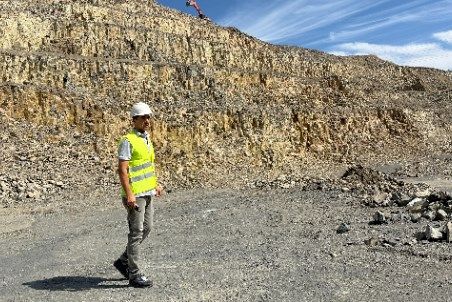
Mines can detect changing risk in seconds, but authority to act may take far longer. This article looks at decision latency and a way to shorten it without weakening accountability.
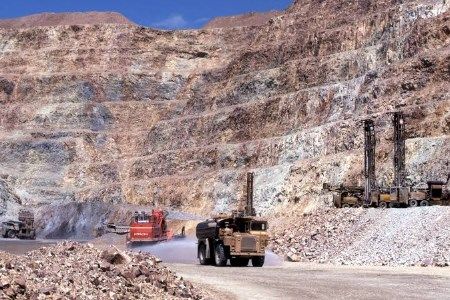
BGN Group and Nth Cycle highlight the push to build more integrated metals supply chains.
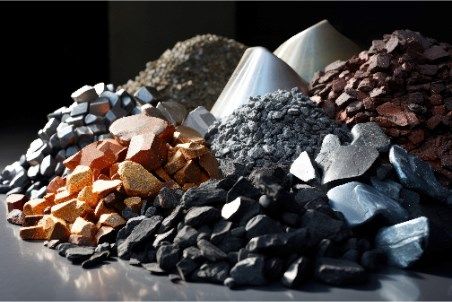
Louise Margolin, Deputy Editor-in-Chief at Africa Business+ and Mining Editor at Jeune Afrique, and Ousmane Diawara, Partner Mining & Infrastructure at EY, explain how Africa is increasing its mineral processing capacity, with support from China.
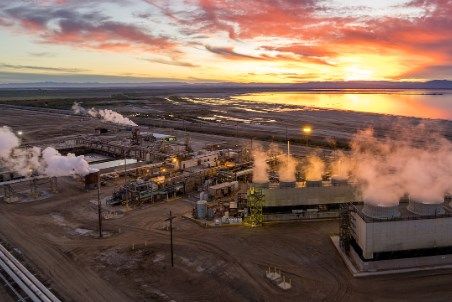
Rare earth elements (REEs) are rising in demand amid competition for resources used in technology components. However, the supply struggle isn’t fuelled by the scarcity of metals in Earth’s crust.

Andrew Fulton, CEO, Anglesey Mining Plc, reiterates the importance of UK brownfield projects and explains how revitalising them could scope the UK industrial future.
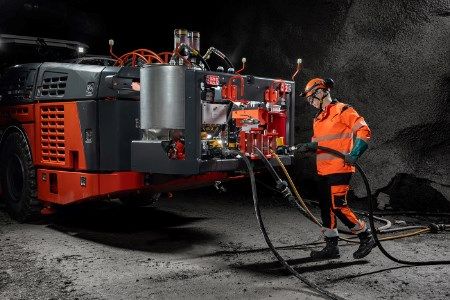
Sandvik is advancing its ground support portfolio with end-to-end resin bolting solutions designed to improve safety and productivity. By combining drilling and bolting equipment, resin technologies, chemical products, and a comprehensive bolt portfolio into one package, the company aims to simplify operations and help mines achieve more consistent results.
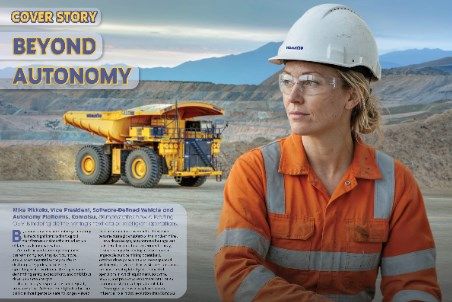
Mike Rikkola, Vice President, Software-Defined Vehicle and Autonomy Platforms, Komatsu, demonstrates how a leading OEM is helping define mining's next era of intelligent operations.