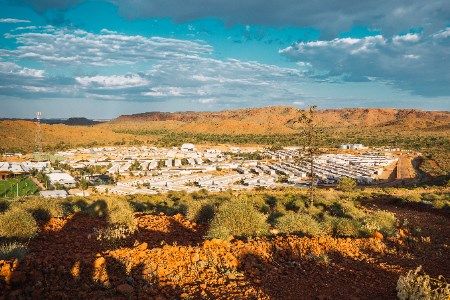
Remote mining operations face a unique combination of environmental expectations and logistical constraints. While the mining industry has made significant progress in reducing emissions from haul trucks, power generation, and process plants, one operational waste stream remains largely overlooked, not because it is technically difficult, but because it has traditionally been viewed as a waste management issue rather than an opportunity for cost savings and resource recovery.
Mining is among the industries facing the greatest scrutiny from investors, regulators, and communities regarding ESG performance, with remote mining operations often facing additional environmental and logistical challenges. Transporting supplies and disposing of waste can be complex, expensive, and environmentally burdensome. As a result, technologies that reduce emissions, waste and environmental impact, and provide measurable environmental benefits that support ESG reporting and sustainability targets, can deliver significant strategic and operational advantages.
The reduction and on-site valorisation of food waste, one of the most persistent operational waste streams, represents one of the clearest opportunities to reduce these costs while advancing sustainability objectives.
For operations accommodating hundreds or even thousands of workers, kitchens generate a continuous stream of organic waste every day. In most cases, this material is routinely transported long distances for disposal, often to landfill, resulting in additional emissions and higher operating costs.
At the same time, many of these sites continue to import fossil-based fuels to generate heat, despite having an untapped source of renewable energy available on site.
Reducing food waste at source remains the first priority. Measuring waste enables kitchens to improve forecasting, purchasing and meal planning, reducing food purchases, disposal costs, and unnecessary waste before treatment is even considered.
For the unavoidable food waste streams, closing the loop via its on-site valorisation, using modular, small-scale containerised anaerobic digesters, is not simply a sustainability initiative, but also an operational redesign opportunity.
The technology itself is well established. What has changed is its scale. Installing a containerised, automated plug-and-play system, capable of treating the quantities of food waste generated by mining camps, typically ranging from 100 – 600 kg per day, makes on-site resource recovery practical, even in remote locations.
Food waste contains energy, renewable energy at that. Through anaerobic digestion, it can be converted into biogas for water heating, kitchens, or other thermal applications, or converted to electricity. While food waste may never become a mine’s largest energy source, it can meaningfully offset LPG, diesel, or natural gas used for kitchens, water heating, or other thermal applications, while simultaneously reducing waste disposal costs.
Soil rehabilitation is one of the most significant environmental challenges facing the mining industry, particularly for remote mines. Unlike operational issues such as food waste, it is a long-term, technically complex, and often expensive obligation that extends well beyond the productive life of the mine.
One of the by-products of the anaerobic digestion process is digestate, a nutrient-rich bio-liquid, which could ideally be used to support local, sustainable agriculture where suitable outlets exist, thereby promoting a circular economy. But it may also contribute to mine rehabilitation programmes or other beneficial local uses, where regulations permit, for example potentially using the liquid fraction for dust suppression on haul roads or for soil conditioning in rehabilitation areas.
In the end, mining has never been about wasting resources, and food waste deserves to be viewed through the same lens. As a renewable resource capable of reducing costs, generating renewable energy, and supporting circularity.
As the industry continues to seek practical pathways towards lower emissions, perhaps it is time to stop asking how to dispose of food waste and start recognising how much value it still contains.