
Weir partners with Viking Analytics to enhance digital offering for mineral processing plants
Published by Jody Dodgson,
Editorial Assistant
Global Mining Review,
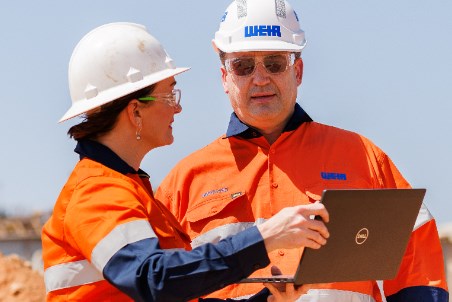
This partnership will significantly enhance Weir’s NEXT intelligent solutions – the company’s comprehensive digital offering designed to transform mineral processing through real-time data, predictive analytics, and process optimisation.
By integrating Viking’s advanced machine learning technology, it will facilitate predictive maintenance solutions, ensuring uptime and production are maximised. Viking Analytics’ solution is AI enabled, designed to learn equipment behaviour and detect early signs of machine failure. It provides automatic anomaly detection and intelligent diagnostics, without the need for labelled data or manually set thresholds.
Ole Knudsen, Weir, Senior Director – Digital said: ‘Weir is committed to building a more sustainable future in mining through strategic partnerships with companies that share our vision. Viking’s customised AI software will be exclusively integrated into our NEXT intelligent solutions, delivering predictive analytics that enhance uptime and streamline maintenance for our customers.’
Dr Rajet Krishnan, Viking Analytics, CEO said: ‘We are proud to partner with Weir on this important step in their digital journey. Together, we will combine Weir’s deep domain expertise in mining with Viking’s AI-driven condition monitoring technology to unlock new value for Weir’s customers worldwide.’
Read the article online at: https://www.globalminingreview.com/finance-business/29092025/weir-partners-with-viking-analytics-to-enhance-digital-offering-for-mineral-processing-plants/
You might also like

Mining for key energy transition minerals is not a major source of global greenhouse gas emissions, ICMM research finds
ICMM has published its new Global Mining & Metals Greenhouse Gas (GHG) Emissions Dataset, alongside an insights report that provides the most comprehensive, up-to-date picture of how the mining and metals sector scope 1 and scope 2 emissions contribute to global GHG emissions.